How Team-Building Events Develop Leadership Skills
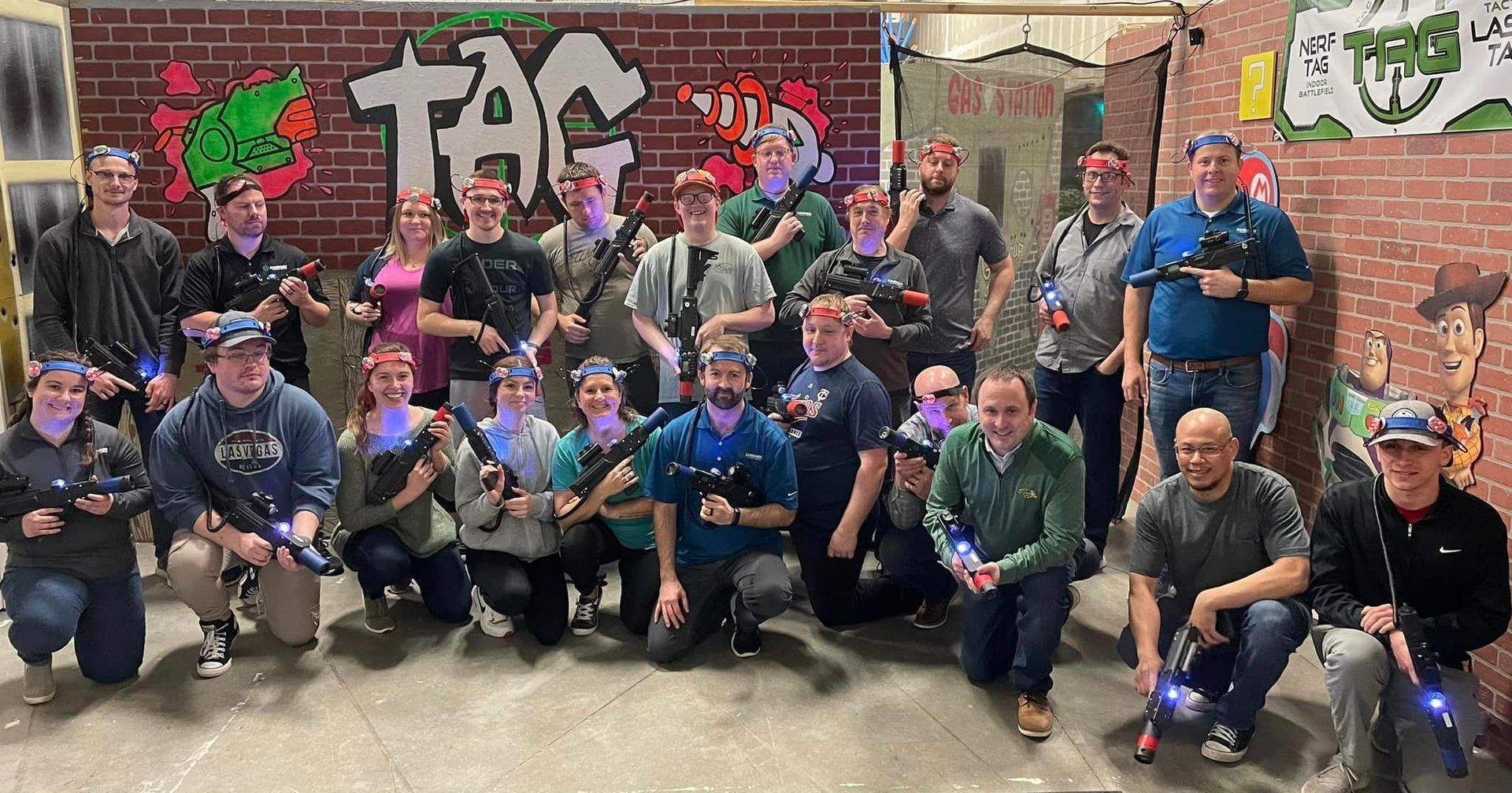
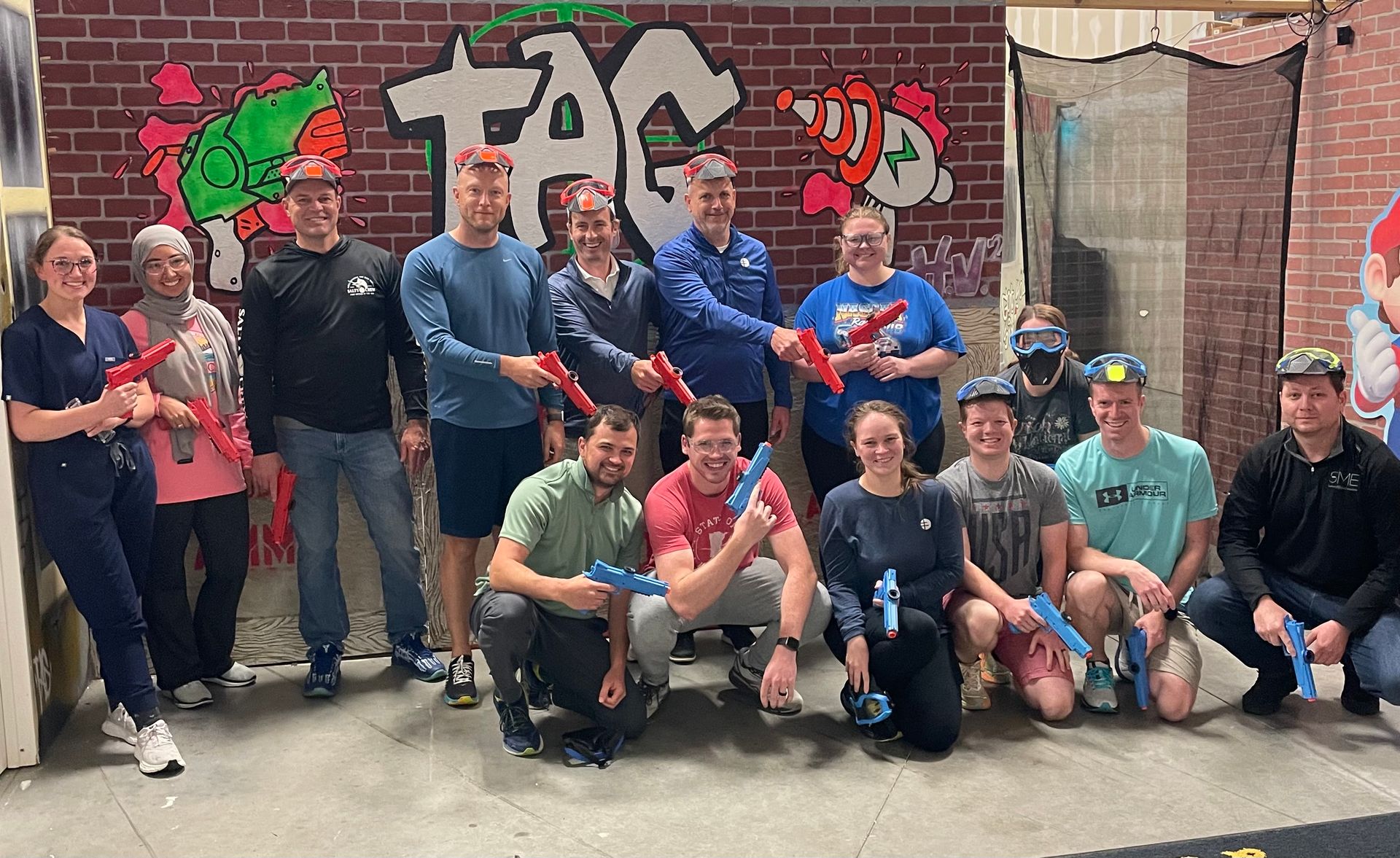
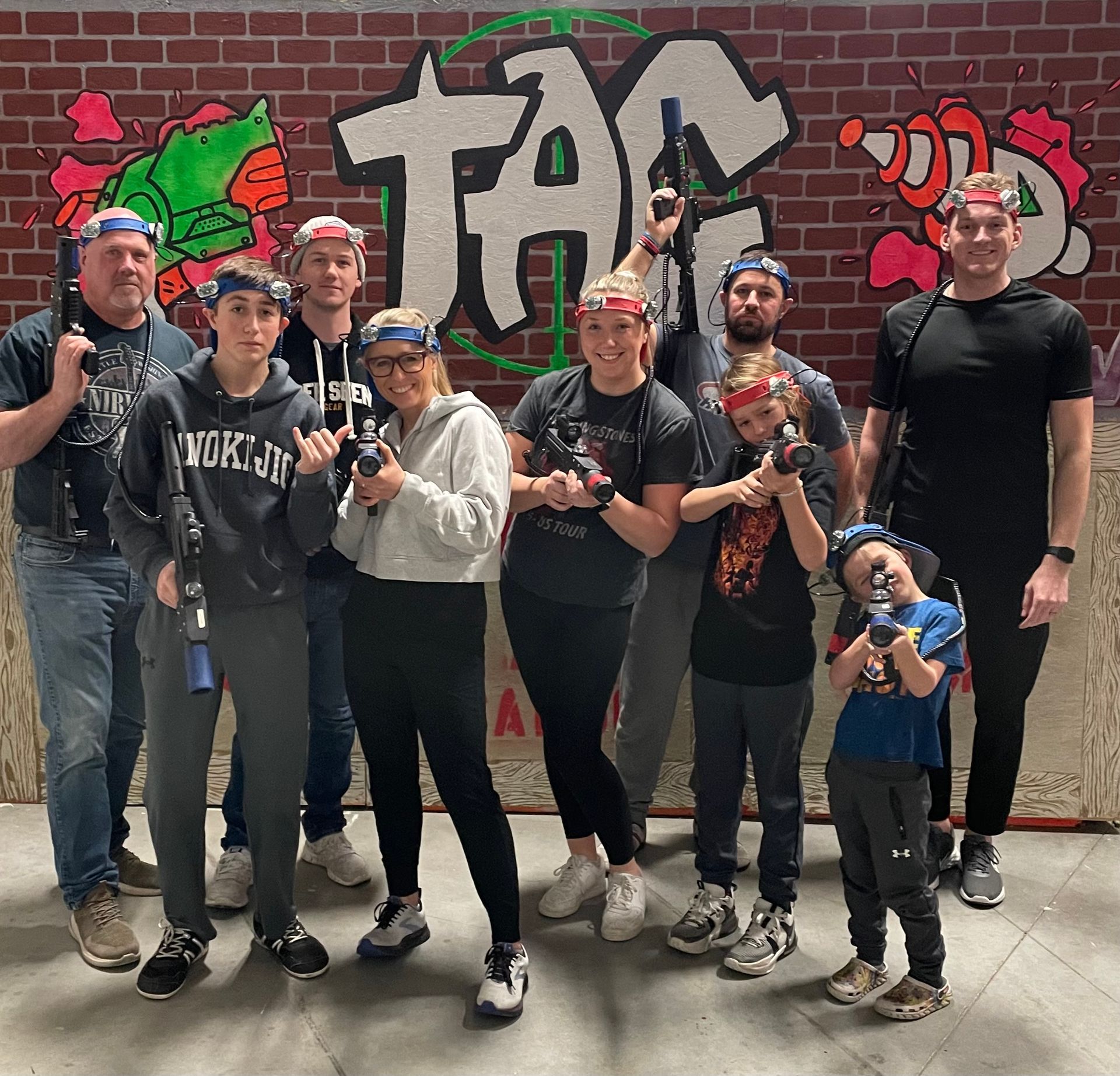
Team-building events are more than just fun outings or corporate picnics. They serve as powerful tools for enhancing leadership abilities, fostering collaboration, and creating a cohesive work environment. In this blog, we’ll explore how these events contribute to the growth of effective leaders.
1. Building Empathy
Empathy is a cornerstone of effective leadership. When managers actively participate in team-building activities, they gain insights into their team members’ perspectives. Whether it’s solving a puzzle together, navigating an obstacle course, or cooking a meal as a team, these shared experiences create empathy. Managers learn to appreciate individual strengths, weaknesses, and communication styles. As a result, they become better at understanding and supporting their team members.
2. Enhancing Adaptability
Team-building events often involve unpredictable challenges. Whether it’s a trust fall exercise or an orienteering challenge, managers must adapt to changing circumstances. These experiences mimic real-world scenarios where leaders face unexpected obstacles. By practicing adaptability in a safe environment, managers build resilience and learn to think on their feet. They discover creative solutions, adjust strategies, and remain calm under pressure—essential qualities for effective leadership.
3. Strengthening Decision-Making Abilities
Effective decision-making is critical for leaders. Team-building events provide opportunities for managers to make choices collectively. For instance, in a strategy simulation exercise, leaders analyze complex scenarios, allocate resources, and assess risks. These decision-making processes mirror real-world challenges faced by managers. By actively participating, they refine their judgment, learn from mistakes, and develop confidence in their choices. Moreover, team-building events encourage collaboration, allowing managers to seek input from diverse perspectives before making decisions.
Conclusion
In summary, team-building events are not mere recreational activities; they are leadership laboratories. Managers who actively engage in these events cultivate empathy, adaptability, and better decision-making abilities. As they bond with their teams, they become more effective leaders who inspire trust, foster collaboration, and drive organizational success.
Remember, the next time you’re at a team-building event, it’s not just about building a human pyramid—it’s about building stronger leaders.